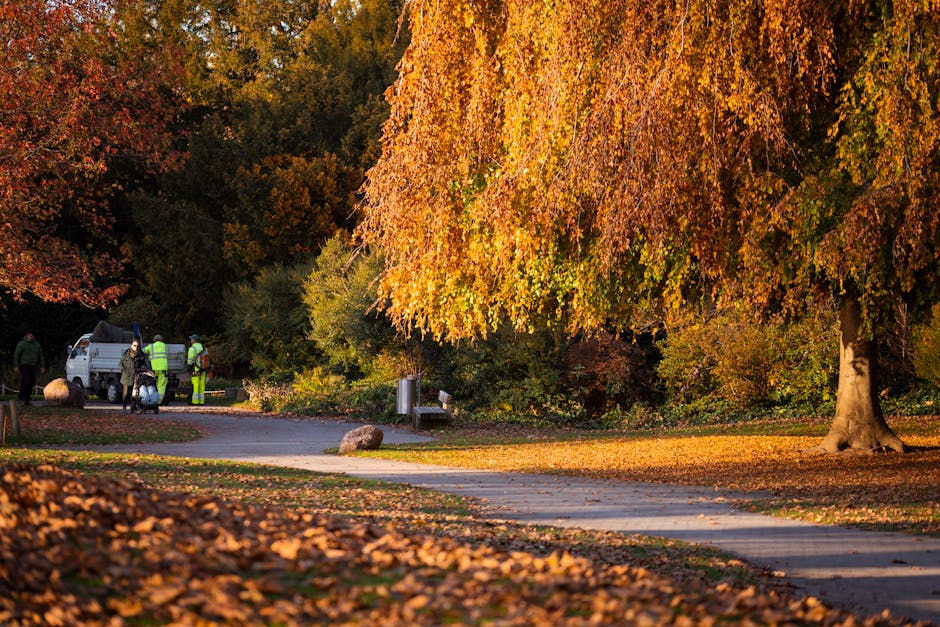
Beddington Park garden clearance by Wallington gardeners case study
If you are looking at an overgrown garden and wondering where to start, you are not alone. A Beddington Park garden clearance by Wallington gardeners case study is useful because it shows what a proper clearance actually involves: planning, safe removal of waste, careful handling of awkward areas, and a finish that leaves the space usable again rather than merely tidied up on the surface.
This article breaks the process down in plain English. We will look at why clearance work matters in a local setting, how gardeners typically approach it, what benefits you can expect, and where people often go wrong. There is also a practical checklist, a comparison table, and a real-world style example so you can judge whether this kind of service is right for your own garden. Truth be told, garden clearance sounds simple until you are standing in front of a bramble thicket, a wet compost heap, and a pile of branches that seems to have multiplied overnight.
Table of Contents
- Why Beddington Park garden clearance by Wallington gardeners case study Matters
- How Beddington Park garden clearance by Wallington gardeners case study Works
- Key Benefits and Practical Advantages
- Who This Is For and When It Makes Sense
- Step-by-Step Guidance
- Expert Tips for Better Results
- Common Mistakes to Avoid
- Tools, Resources and Recommendations
- Law, Compliance, Standards, or Best Practice
- Options, Methods, or Comparison Table
- Case Study or Real-World Example
- Practical Checklist
- Conclusion
- Frequently Asked Questions
Why Beddington Park garden clearance by Wallington gardeners case study Matters
Garden clearance is not just about making a garden look better for a weekend. In a place like Beddington Park, where homes, shared boundaries, access routes, and seasonal growth all affect how a garden functions, clearance work can quickly become a practical necessity. A neglected garden can restrict movement, hide damage, harbour damp debris, and make routine maintenance harder than it needs to be.
That is why a case study is helpful. It shows the sequence of the job, not just the before-and-after photos people like to skim past. You get a clearer sense of what was removed, what was kept, how the site was protected, and what the garden needed once the clutter was gone. Those details matter. Anyone can say a garden was cleared. The useful question is: was it cleared in a way that supports the garden afterwards?
For many local homeowners, the trigger is simple. A shed has started to lean, ivy has crept over a fence, and the lawn is no longer really a lawn. For others, the job is about preparing for repairs, landscaping, or a fresh maintenance plan. Either way, an organised clearance can reset the space and make later work cheaper and easier.
There is also a safety angle. Overgrown borders, hidden debris, unstable branches, and slippery waste can create avoidable hazards. A competent team approaches clearance with care, not just enthusiasm. There is a difference, and you can usually tell within the first ten minutes.
For readers comparing services, the broader picture matters too. A company that offers a clear overview of its garden services is often better placed to explain how clearance fits alongside mowing, hedge work, or ongoing upkeep. That joined-up view is often what keeps a garden from slipping back into chaos a few weeks later.
How Beddington Park garden clearance by Wallington gardeners case study Works
In practical terms, garden clearance usually begins with an assessment. The team looks at the volume of waste, the type of vegetation, access points, and anything that needs special handling such as old timber, invasive growth, or heavy green waste. If there is decking, fencing, or established planting nearby, those areas need protecting before work starts.
The next stage is usually sorting. A good clearance does not involve random hacking. It is more like a controlled unravelling of the mess. Soft green waste, woody stems, rotten leaves, general rubbish, and bulky items often need different handling. This is where experience counts, because the wrong approach can waste time and create extra damage.
Depending on the site, the work might include cutting back overgrowth, removing dead plants, lifting surface debris, bagging or loading waste, and tidying edges so the garden feels open again. If a tree or large limb is involved, specialist help may be needed from tree lopping and removal services. If the garden has hedges that are swallowing paths or fences, it may also make sense to combine clearance with hedge trimming.
Once the bulk waste is gone, the final sweep matters more than people think. Small cuttings, scattered leaves, and broken stems can make an otherwise clean job feel half-done. A careful finish leaves the surface ready for mowing, replanting, or a follow-up visit from garden maintenance specialists.
A real-world case study, even a simple one, should always show whether the team respected the site. Were gates closed? Were paths left safe? Was waste stacked sensibly before removal? These are small things, but they add up. And in my experience, the small things are what clients remember when the dust settles.
Key Benefits and Practical Advantages
There are several clear advantages to professional garden clearance, and the best ones are practical rather than flashy.
- Immediate usable space: You regain access to paths, borders, patios, and lawn areas that had become blocked.
- Better safety: Loose branches, concealed rubble, and slick organic waste are removed before someone trips or slips.
- Healthier future growth: Clearing dead material and overcrowded growth can help the garden recover more cleanly.
- Easier maintenance: Mowing, trimming, and routine care become much simpler after a proper reset.
- Improved property presentation: Even a rough garden looks less neglected once the clutter has gone.
- Support for upgrades: Clearance often comes before landscaping, decking, fencing repairs, or planting changes.
One thing people often underestimate is momentum. Once a garden has been cleared properly, the space starts to feel manageable again. That shift matters. It changes how people use the garden and how quickly they are willing to keep on top of it.
For properties that may need more than just a tidy-up, a team that also offers landscape gardening or broader landscaping services can be useful because the handover from clearance to improvement is smoother. No awkward pauses. No "we cleared it, now what?" problem.
Who This Is For and When It Makes Sense
Garden clearance is not only for neglected homes. In reality, it suits a wide range of situations.
You may need it if:
- you have inherited a garden that needs resetting before you can use it;
- you are preparing a property for sale or letting;
- you have pruning, weeds, and green waste building up faster than you can handle;
- storm damage has left branches, leaves, or broken material across the site;
- you are planning a redesign and need a blanker starting point;
- you want to bring a garden back under control after a busy season;
- access to the garden has become awkward or unsafe.
It also makes sense if your own time is limited. Let's face it, most people do not have a free Saturday to wrestle a pile of brambles and old turf, then haul it away in the boot of the car. Clearance is physically demanding and usually messier than expected.
Some clients want a one-off recovery job. Others need a seasonal reset, then ongoing support from lawn mowing services or regular upkeep. Both approaches can work well. The key is knowing whether your garden needs a single intervention or a longer-term plan.
Step-by-Step Guidance
A clean, efficient clearance tends to follow a sensible sequence. It is not glamorous, but it works.
- Inspect the site. Identify overgrowth, hard waste, fragile areas, hidden obstacles, and access points.
- Agree the scope. Decide what is being removed, what stays, and whether any follow-up work is needed.
- Protect key areas. Cover or avoid delicate planting, surfaces, and structures where possible.
- Remove large waste first. Take out bulky branches, collapsed material, and anything blocking movement.
- Cut back dense growth. Reduce overgrown sections in a controlled way rather than all at once.
- Sort and load waste. Separate green waste from mixed rubbish or heavier materials if needed.
- Clean edges and surfaces. Sweep paths, patios, and borders so the job looks finished.
- Check the result. Walk the garden again and confirm nothing unsafe or overlooked remains.
If the site includes built features such as old timber edges, awkward steps, or tired external structures, a broader property refresh may sometimes be appropriate. In those cases, services like decking services can become relevant after clearance, especially if the goal is to make the garden more usable rather than simply empty.
One useful clarification: a proper clearance is not the same as a tidy mow. A tidy mow can improve appearance. A clearance changes access, structure, and future maintenance demands. That distinction gets overlooked far too often.
Expert Tips for Better Results
Here are a few things that make a surprising difference in the real world.
- Start with the worst obstruction first. It sounds obvious, but many people waste energy on visible surface litter while the real problem sits at the back fence.
- Work from top to bottom. Removing overhead or upright growth before ground waste makes the rest easier to see.
- Leave room for a second pass. Most gardens look better after the first cut and much better after the final tidy.
- Think about what happens next. If the plan is to replant, mow, or repair, the clearance should support that outcome.
- Use light, frequent maintenance after the clear. A small amount of follow-up care is easier than another major rescue later.
A practical tip from experience: keep an eye on hidden corners behind sheds, under shrubs, and beside fences. That is where the sneaky stuff lives. You know the sort of thing - one broken planter, a few dead canes, and suddenly it feels like a minor archaeology dig.
If you are comparing providers, it is worth checking how they handle waste, safety, and customer communication. Pages such as recycling and sustainability and insurance and safety are useful indicators of how seriously a company treats the practical side of the job. Not everything is about the cutting; some of it is about what happens after the cut.
Common Mistakes to Avoid
Garden clearance often goes wrong in predictable ways. The good news is that most of them are avoidable.
- Clearing without a plan: If you start cutting randomly, you can make access worse before it gets better.
- Ignoring waste volume: Green waste piles up faster than expected, especially with dense growth.
- Damaging healthy plants: Overzealous cutting can remove more than the problem area.
- Forgetting disposal: A garden is not really cleared until the waste has gone.
- Skipping safety: Gloves, eye protection, stable footing, and proper lifting technique are basic for a reason.
- Not planning maintenance: A single clear-out without follow-up often leads straight back to the same mess.
There is also a common emotional mistake: people wait too long because the job feels overwhelming. That happens. Pretty normal, actually. But the longer a clearance is delayed, the more tangled, heavy, and demoralising it becomes. Once you begin, the job is rarely as impossible as it looked from the kitchen window.
Tools, Resources and Recommendations
The right tools depend on the site, but the following are commonly useful in garden clearance work:
- loppers and secateurs for manageable stems and small branches;
- hedge trimmers for boundary growth and shaped shrubs;
- rakes, forks, and brooms for loose debris;
- heavy-duty sacks or bins for green waste;
- protective gloves and eye protection;
- spades and edging tools for digging out unwanted growth;
- wheelbarrows or carriers for moving material efficiently;
- tarpaulins or sheets to group waste before loading.
For most households, though, the biggest resource is not a tool at all. It is a clear scope. Knowing what you want done saves time, avoids misunderstandings, and keeps costs under control. If you are unsure what scope makes sense, a broader page like pricing and quotes can help you think through what affects job size and complexity before you book anything.
It can also help to combine services when the garden needs a fuller reset. For example, after clearance, a client might move into ongoing maintenance, one-off hedge trimming, or a more structured garden redesign. That kind of sequencing is often more efficient than tackling each issue in isolation.
Law, Compliance, Standards, or Best Practice
For garden clearance, the main compliance concerns usually relate to waste handling, site safety, and fair customer expectations. In the UK, people should be cautious about how waste is removed and disposed of, especially where mixed garden debris, timber, or old household items are involved. A professional service should be able to explain how waste is handled in a sensible, lawful way without making big claims they cannot support.
Best practice usually includes:
- clear agreement on what is included in the job;
- safe working methods for tools, lifting, and access;
- care around plants, hard surfaces, fencing, and nearby structures;
- appropriate handling of waste and recycling where possible;
- transparent communication if the scope changes during the visit.
If you are reviewing a provider, policies such as health and safety, insurance and safety, and payment and security can help reassure you that the business is set up responsibly. That does not guarantee perfection, of course, but it is a sensible signpost.
It is also good practice for companies to be clear about complaints handling and business terms. Nobody expects a problem, but if there is one, the process should not feel like a maze. Straightforward pages like complaints procedure and terms and conditions exist for a reason.
Options, Methods, or Comparison Table
Not every garden needs the same kind of clearance. Here is a practical comparison to help you choose the right approach.
| Approach | Best for | Typical strengths | Possible limitations |
|---|---|---|---|
| Light tidy clearance | Gardens with seasonal debris and manageable overgrowth | Quick, economical, ideal for refreshes | Not enough for heavily neglected spaces |
| Full clearance | Dense, overgrown, or cluttered gardens | Resets access, visibility, and structure | More time, more waste, more planning |
| Clearance plus maintenance | Properties that need long-term control | Keeps the garden from slipping back | Requires ongoing commitment |
| Clearance plus landscaping | Gardens being redesigned after the reset | Turns a problem space into a proper plan | Higher complexity and budget planning |
In many cases, the best option is not the biggest one. It is the one that fits the garden's actual condition. A bit of a reality check helps here. If the site is only mildly untidy, a lighter intervention may be enough. If you cannot see the back fence, you probably need more.
Case Study or Real-World Example
Here is a realistic example of how a Beddington Park garden clearance might unfold.
A homeowner had a rear garden that had drifted out of control over two growing seasons. The lawn was patchy and partly buried under leaf litter. The side passage had become narrow because of hedge growth. The back corner held old cuttings, broken containers, and a stack of organic waste from earlier DIY attempts that never got finished. Nothing dramatic, but enough to make the whole space feel closed in.
The first step was a simple walk-through to identify what could be removed immediately and what needed a more careful approach. The team cleared dead material, cut back encroaching growth, opened up the access path, and removed waste in stages so the site stayed safe and workable. After that, the remaining surface debris was swept away, and the borders were checked for anything hidden underneath.
The real win was not just the cleaner look. It was the fact that the garden became usable again. The owner could see where a future lawn repair made sense, which shrubs were worth keeping, and which areas needed ongoing attention. It changed the feel of the space almost straight away.
A few weeks later, a follow-up maintenance plan was enough to keep it under control. That is often the best outcome: one good reset, then manageable upkeep. Simple. Not always easy, but simple.
If the garden also needs longer-term improvement, a service mix that includes mowing, landscaping, or selective tree work can turn a one-off clear-out into a lasting improvement rather than a temporary fix.
Practical Checklist
Use this before booking or starting a clearance job.
- Identify what is actually causing the problem: weeds, waste, shrubs, branches, or all of the above.
- Decide whether you want a one-off clear, a maintenance plan, or a bigger redesign.
- Check access routes, gates, and any fragile surfaces.
- List any items that must stay, such as planters, wildlife habitats, or established shrubs.
- Ask how waste will be removed and whether recycling is part of the process.
- Confirm whether the team carries appropriate insurance and follows safety procedures.
- Make sure the scope is clear before work begins.
- Plan what happens after clearance: mowing, planting, repairs, or a follow-up visit.
- Take a quick "before" photo for your own records, just in case.
- Allow time for the final tidy. It is worth it.
Expert summary: The best garden clearance is not the most aggressive one. It is the one that restores access, reduces risk, and leaves the space ready for its next stage without damaging what still has value.
Conclusion
A well-handled Beddington Park garden clearance by Wallington gardeners case study shows that clearance work is really about restoring function. It opens up space, removes hazards, makes future maintenance easier, and gives the garden a proper starting point again. If the work is planned well, it also saves time and frustration later, which is no small thing when the garden has been getting on top of you for months.
The biggest takeaway is this: do not judge clearance by the mess it removes alone. Judge it by what the garden becomes afterwards. More usable, easier to maintain, safer to move through, and ready for the next stage. That is the real value. And honestly, once a stubborn garden starts breathing again, the whole property feels lighter.
If you are weighing up your own project, start with a clear scope, think about follow-on care, and choose a team that treats the job as part of a bigger garden plan rather than a one-off sweep. That is usually where the best results come from.
Get a free quote today and see how much you can save.
Frequently Asked Questions
What does garden clearance usually include?
Garden clearance usually includes removing overgrowth, dead plants, leaves, branches, and general green waste. Depending on the site, it may also involve clearing old containers, broken timber, or clutter from beds, borders, and access paths.
How is garden clearance different from garden maintenance?
Clearance is the reset stage. Maintenance is the ongoing care that stops the garden from becoming overgrown again. Clearance handles the backlog; maintenance keeps things under control afterwards.
Is a Beddington Park garden clearance suitable for very overgrown gardens?
Yes, that is often exactly when it is needed. Very overgrown gardens usually benefit from a structured clearance, especially when access is restricted or there is hidden debris.
Will the team take away all the waste?
In a proper clearance, waste removal is part of the job or agreed separately in advance. It is worth confirming this before work starts so there is no confusion later.
Can garden clearance be done in winter?
Yes, although conditions may be wetter, darker, and more awkward. Winter can still be a good time for clearance because deciduous growth is reduced and the structure of the garden is easier to see.
Do I need to be home during the clearance?
Not always, but it can be helpful if the team needs to confirm what should stay and what should go. For a first visit, many people prefer to be present, just to avoid any misunderstandings.
How long does a typical clearance take?
It depends on the size of the garden, the amount of waste, and how accessible the site is. A light tidy may take only a short time, while a heavily overgrown garden can take much longer.
What should I do before the gardeners arrive?
Move anything personal or fragile, unlock access gates, and make a quick note of items you want kept. If there are pets or children, plan where they will be during the work for safety.
Is garden clearance the same as landscaping?
No. Clearance removes the mess and restores access. Landscaping changes the layout, structure, or appearance of the garden. They often work well together, but they are not the same service.
How do I know if I need hedge trimming as well?
If hedges are narrowing paths, blocking light, or spilling into neighbours' space, hedge trimming is usually a sensible add-on. It often pairs well with clearance because both help the garden breathe again.
What happens after the clearance is finished?
That depends on your plan. Some people move straight to mowing or maintenance. Others use the cleared space as a starting point for repairs, planting, or more detailed landscaping work.
How do I choose a trustworthy local gardening company?
Look for clear service information, practical safety standards, straightforward communication, and sensible policies on payments, complaints, and waste handling. A trustworthy provider tends to be clear rather than vague.