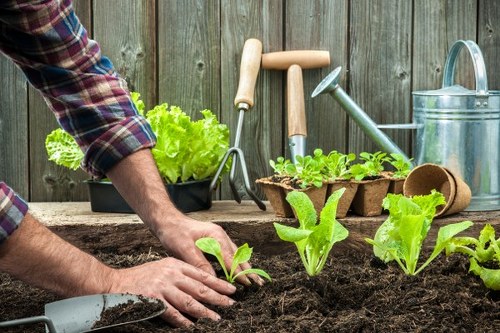
Gardening Wallington: Recycling and Sustainability
Our community hub at Gardening Wallington is committed to creating an eco-friendly waste disposal area and a thriving sustainable rubbish gardening area. This page explains how we manage green waste, run reuse initiatives and partner with local organisations to cut carbon and keep soils healthy. We set practical targets, support borough waste separation schemes, and prioritise low-impact operations — from compost bays to a low-emission vehicle fleet — all designed for gardeners and neighbours who want a greener local system.Recycling target and measurable goals
We aim for a 65% recycling rate across site operations and community collections by 2030, measured on an annual basis. This recycling percentage target covers garden waste, woody materials, food scraps from community events, and dry recyclables generated on site. Meeting this goal requires collaboration: residents' participation in the borough's separation guidelines, volunteers maintaining compost lines, and regular monitoring of tonnages diverted from landfill. Our approach balances ambition with practical steps so the eco-friendly waste disposal area consistently reduces residual rubbish. To deliver results we run targeted recycling activities relevant to Wallington and the surrounding boroughs: separate food waste collections for composting, glass and metal bins for small event waste, and a dedicated paper/card and mixed recycling point at the hub. Our model reflects the boroughs' approach to waste separation, encouraging householders to use separate brown/green bins for garden waste and food caddies for compostable scraps. These simple behaviours feed directly into our sustainable rubbish gardening area and local circular systems.
Local transfer stations and material flow
To keep our operations efficient we make use of nearby local transfer stations and civic amenity sites across the London Borough of Sutton and neighbouring facilities. These transfer points allow us to consolidate loads of green waste, woodchip and recyclable materials for onward processing. By coordinating drop-offs and scheduled collections we reduce double-handling, cut vehicle miles, and ensure material goes to the right processing stream — anaerobic digestion for food waste, windrow or in-vessel composting for garden materials, and specialist reprocessors for bulky reusable items. We also maintain strong logistical links with regional recycling centres and transfer facilities, scheduling weekly or fortnightly movements depending on season and demand. This coordination helps avoid landfill and supports our target recycling percentage by ensuring bulky garden waste is either composted, chipped for mulch, or passed on to reuse partners. Our transparency on tonnages and destinations helps the community understand how its separated waste becomes resources, not rubbish.
Key recycling activities at the hub include:
- Community composting bays for food and garden waste
- Woodchip production and distribution for mulching
- Tool and planter reuse for community growing plots
- Segregated recycling points for glass, metal, paper and plastics
Partnerships with charities and reuse organisations are central to our work. By working with local charities, community groups and specialist reuse agencies we ensure surplus plants, pots and serviceable tools find a second life. These partnerships reduce waste and support local social value: charities benefit from donations, volunteers gain practical skills, and gardeners access low-cost materials. We prioritise collaboration with groups that run community foodbanks, sheltered gardening projects and training schemes, creating a resilient network for reuse across the borough.
 Low-carbon vans and sustainable transport are a practical priority for site logistics. Our fleet strategy favours electric vans for short collection runs and light electric cargo bikes for deliveries within Wallington. Where we need larger capacity, we use low-carbon vehicles powered by renewable electricity or certified low-emission fuels. Route optimisation software reduces mileage, and scheduled consolidation at local transfer stations cut the number of journeys. These measures shrink operational emissions while keeping the transfer of garden waste and recycled materials efficient.
 Within the sustainable rubbish gardening area we emphasise on-site processing to keep material local: in-vessel composting during wet months, windrow and aerated pile composting in warmer seasons, and cold storage for bulky woody material awaiting chipping. Gardeners can collect finished compost and woodchip for soil improvement and weed suppression, closing nutrient loops and reducing demand for peat-based products. Educational signage and seasonal workshops (not detailed here) support correct sorting and quality control across all streams.
To make it easy to do the right thing, we mirror local borough separation rules and provide clear labelling across the site. The combination of an eco-friendly waste disposal area, local transfer station coordination, charity partnerships and low-carbon vehicles forms a coherent system for sustainable gardening in Wallington. Strong data reporting on our recycling percentage target keeps the community informed and helps prioritise improvements.
In short, Gardening Wallington is building a practical, replicable model for a sustainable rubbish gardening area that reduces landfill, supports reuse, and lowers transport emissions. We welcome residents, growers and community groups to participate in the collective shift to circular, low-carbon practices that benefit gardens, soils and the wider local environment.