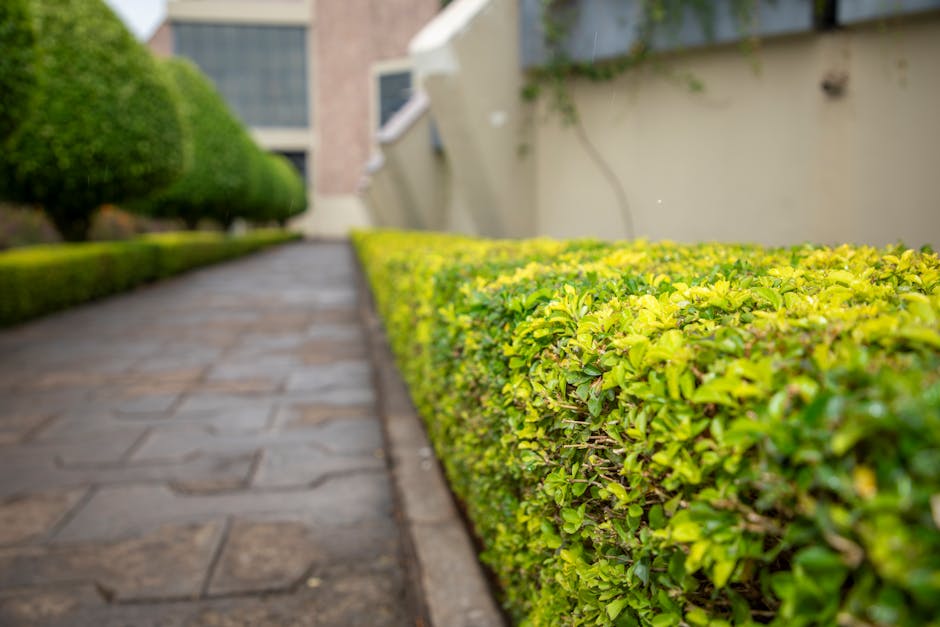
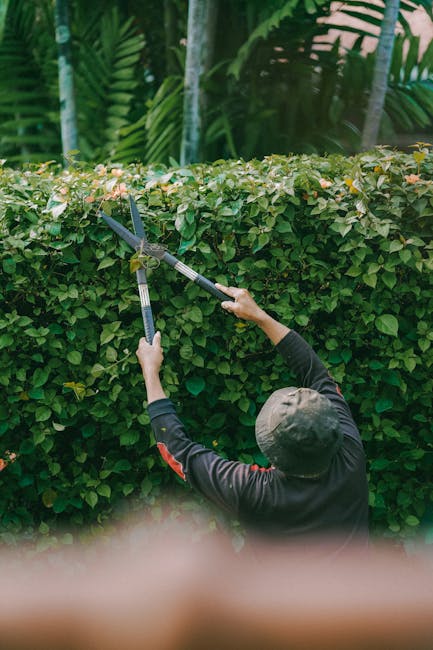
Wallington High Street garden maintenance experts near me: a practical guide for tidy, healthy gardens
If you've been searching for Wallington High Street garden maintenance experts near me, you're probably after something more than a quick mow and a polite promise. You want a garden that looks cared for, stays manageable through the seasons, and doesn't become one of those jobs that quietly grows legs. Fair enough.
In a busy local stretch like Wallington High Street, gardens and outdoor spaces can pick up grime, weeds, overgrowth, and a slightly tired look faster than people expect. Regular maintenance keeps things neat, safer, and easier to enjoy. It also saves money in the long run because small jobs stay small. This guide explains what professional garden maintenance actually involves, how to choose the right help, what good service looks like, and what to ask before you book.
Along the way, you'll also find practical tips, a comparison table, a checklist, and a few things that people often overlook until the hedge is already misbehaving. Let's get into it.
Table of Contents
- Why Wallington High Street garden maintenance experts near me Matters
- How Wallington High Street garden maintenance experts near me Works
- Key Benefits and Practical Advantages
- Who This Is For and When It Makes Sense
- Step-by-Step Guidance
- Expert Tips for Better Results
- Common Mistakes to Avoid
- Tools, Resources and Recommendations
- Law, Compliance, Standards, or Best Practice
- Options, Methods, or Comparison Table
- Case Study or Real-World Example
- Practical Checklist
- Conclusion
- Frequently Asked Questions
Why Wallington High Street garden maintenance experts near me Matters
Garden maintenance sounds simple until you're standing in front of a border full of brambles, a lawn with more moss than grass, and a patio that's become a slip hazard after a wet week. In towns like Wallington, where outdoor space can be modest, visible, and close to neighbouring properties, the condition of a garden matters quite a lot.
Good maintenance is about more than appearances. It protects plant health, keeps pathways usable, reduces trips and falls, and helps prevent minor issues from becoming larger, more expensive ones. A small pruning job today can stop a shrub from blocking a window, leaning into a fence, or becoming awkward to recover later. That kind of thing happens all the time, truth be told.
For people looking locally, "near me" also carries a practical meaning. You want someone who can get to the job without fuss, understand local expectations, and work in a way that fits residential streets, front gardens, shared access, and the normal rhythm of the area. That usually means being punctual, tidy, and aware of how quickly a front garden can affect the whole feel of a property.
Another reason it matters: consistency. Gardens in the UK change with the weather, and Wallington is no exception. A tidy garden in spring can be a jungle by midsummer if it's left alone. Regular maintenance gives you control over that cycle instead of constantly reacting to it.
Expert takeaway: The best garden maintenance is not the most dramatic. It is the kind that quietly keeps everything healthy, safe, and manageable so the garden never reaches crisis point.
How Wallington High Street garden maintenance experts near me Works
Professional garden maintenance usually starts with a visit, a conversation, or a clear list of what needs doing. The useful bit is not just the labour itself; it's the planning. A good gardener looks at the whole space and thinks about what will make it healthier and easier to maintain next month, not just today.
In practical terms, the process often includes some combination of lawn care, hedge cutting, border tidying, weeding, pruning, leaf clearance, planting support, and waste removal. Depending on the garden, there may also be pressure washing or path clearing, but only where appropriate and safe for the surface. Not every job needs every service. Sometimes the smartest thing is restraint.
Here's what a sensible working pattern often looks like:
- Assess the garden and discuss priorities.
- Agree the scope of work, timing, and any recurring visits.
- Carry out the maintenance in a tidy, safe sequence.
- Remove green waste or separate it for recycling where suitable.
- Review what's been done and plan the next visit if needed.
This is also where a well-run local service stands out. You should be able to see how they communicate, how they handle access, how they price the work, and whether they explain anything unusual. A simple job can still be done professionally. In fact, that's usually the point.
If you want to understand the broader service mix before booking, it helps to review the full gardening services overview. That gives a clearer picture of what can be included and how the work is typically structured.
Key Benefits and Practical Advantages
There are plenty of reasons people look for regular garden maintenance, but the best ones are often the most ordinary. Less stress. Less mess. Less surprise when the weather turns and everything starts growing like it has something to prove.
Here are the main practical advantages:
- Better kerb appeal: A neat front garden gives the whole property a more cared-for feel.
- Healthier planting: Pruning, feeding, and clearing crowded growth can help plants perform better.
- Safer access: Clear paths, managed edges, and reduced debris lower everyday hazards.
- Less long-term work: Regular upkeep prevents big seasonal catch-up jobs.
- More usable space: A maintained garden is one you can actually sit in, not just look at through the window.
- Better seasonal control: Lawn care, leaf clearance, and border management keep things under control through the year.
There's also a quieter benefit that people sometimes forget. A well-kept garden just feels calmer. You notice it when you step outside with a cup of tea and hear birds rather than the rustle of dry weeds in the wind. Small thing, maybe. But it matters.
For homeowners comparing prices or service levels, it can be useful to explore pricing and quotes early on, so you know how the work is usually priced and what scope is included.
Who This Is For and When It Makes Sense
Garden maintenance is not only for large houses or immaculate show gardens. It makes sense for a wide range of people and situations.
You may need it if you are:
- a homeowner who wants regular upkeep without spending every weekend outside with shears and a wheelbarrow
- a landlord or property manager trying to keep outdoor areas presentable between tenancies
- an older resident who still enjoys the garden but no longer wants the heavy lifting
- a busy family trying to prevent the garden from becoming another source of pressure
- a business or premises owner with an exterior that should look tidy and welcoming
It also makes sense at certain times of year. Spring is a natural reset point. Summer often needs more frequent mowing, edging, and trimming. Autumn brings leaf clearance and a bit of damage control. Winter is not dead time either; it is often when pruning, prep, and tidy-up work can make next year easier. The garden doesn't clock off, basically.
If the space is already in decent shape, you may only need periodic maintenance. If it has been neglected, a one-off restorative visit may be the starting point before moving to a regular schedule. That distinction matters. A "maintenance" visit and a "recovery" visit are not the same thing, and the quote should reflect that.
Step-by-Step Guidance
If you are trying to decide how to approach garden maintenance, a simple process helps. There's no magic trick here, just a sensible way to avoid paying twice for the same problem.
1. Walk the space and note what really needs doing
Start with a proper look around. Don't just see the obvious weeds. Check the edges of beds, fence lines, paths, corners, behind sheds, and under hedges. That's where the awkward stuff lives.
2. Separate urgent jobs from nice-to-have jobs
A broken gate latch, a trip hazard, or a hedge blocking light is more urgent than a bed that simply looks untidy. Rank the tasks. It helps the gardener work efficiently and helps you spend money where it matters.
3. Decide whether you need one-off or ongoing maintenance
One-off work is useful for catch-up jobs. Ongoing care is better if the garden needs routine mowing, pruning, or seasonal attention. If you wait until things are bad, you usually pay with stress, time, or both.
4. Ask what will be included
Clarify whether waste removal, green recycling, hedge trimmings, and follow-up tidying are included. A tidy quote is better than a vague one. Nobody likes the "oh, that's extra" moment.
5. Check access, timing, and any restrictions
Some gardens need side access, shared entry arrangements, or careful timing around neighbours. Mention these early. It avoids wasted visits and awkward delays.
6. Review the finish, not just the task list
Good maintenance leaves the space better organised, not merely "done." Look at the edges, the debris, the path surfaces, and whether the garden feels balanced. The finishing touches are where quality shows.
If you need to get in touch or ask about a specific job, the contact page is the natural next step for making a proper enquiry.
Expert Tips for Better Results
A few small habits can improve results significantly. These are the sort of things seasoned gardeners tend to notice straight away.
- Keep maintenance frequent enough to stay light. Light, regular work is easier than heroic catch-up sessions.
- Prune with the plant in mind. Don't just cut for the sake of cutting. Different shrubs respond differently.
- Leave breathing room in borders. Overcrowding causes poor airflow, weaker growth, and more mess.
- Keep a seasonal plan. Lawn, hedge, and leaf work all peak at different times.
- Ask for waste handling to be clear up front. It saves confusion and keeps the site tidy.
- Protect surfaces. Wet paving, delicate lawn edges, and decorative gravel need sensible handling.
One small but useful tip: after a maintenance visit, take a minute to look at the garden in daylight from inside the house as well as outside. You will often notice a sightline issue, a low branch, or a border edge that seems minor close-up but obvious from the kitchen window. Funny how that works.
If sustainability matters to you, you may also want to read about recycling and sustainability practices. Garden waste handling is one of those areas where a little thought goes a long way.
Common Mistakes to Avoid
Most garden problems do not begin as big problems. They start as "I'll sort that next week." Then next week becomes next month. And then the hedge has opinions.
Here are the mistakes that tend to cause trouble:
- Waiting too long: Neglected gardens are harder and more expensive to restore.
- Assuming all services are the same: Some providers do basic tidy-up work, others include more detailed horticultural care.
- Not agreeing the scope: If the quote is vague, the job can be too.
- Ignoring waste removal: Green waste left behind can make a freshly maintained garden still feel messy.
- Cutting everything at the wrong time: Some plants need seasonal care, not random trimming.
- Choosing purely on speed: Fast is good. Rushed is not.
Another common mistake is underestimating the value of proper health and safety practices, especially with ladders, tools, and uneven surfaces. That is not dramatic. It is simply sensible. You can learn more about service standards through the site's health and safety policy and insurance and safety information.
Tools, Resources and Recommendations
You do not need to own a shed full of equipment to benefit from professional garden maintenance, but it helps to understand the basics. Most maintenance jobs rely on a mix of hand tools and powered equipment, chosen to suit the scale and type of work.
Common tools and equipment may include:
- secateurs for precise pruning
- hedge trimmers for shaping and reduction
- lawn mowers and edging tools
- rakes and leaf collectors
- spades, forks, and hand trowels
- barrows or sacks for green waste
- pressure washers for suitable hard surfaces, where appropriate
What matters more than the tool list is how it is used. A sharp blade, clean cut, and tidy working method often make more difference than fancy equipment. That said, well-maintained tools do produce better results. No surprise there.
If you want to compare what is included in a service before committing, look at the services overview and the pricing and quotes page to understand what the service covers and how estimates are usually presented.
Law, Compliance, Standards, or Best Practice
Garden maintenance is not the most heavily regulated trade, but there are still important standards and expectations to keep in mind. Good providers should work safely, communicate clearly, and handle waste responsibly. Those things are not optional in practice, even if they sometimes look boring on paper.
For example, if a job involves ladders, powered cutting tools, manual lifting, or work near boundaries and shared access, sensible risk controls matter. Safe working methods, appropriate insurance, and clear procedures are part of normal professional practice. That protects both the customer and the people carrying out the work.
There is also a basic standard of fairness and transparency. You should know what is being done, what it costs, how waste is handled, and what happens if the scope changes. Good businesses make that easy to understand. If you want to see how a provider frames these expectations, it helps to read the terms and conditions, the payment and security information, and the complaints procedure.
For residents who value accessibility and clear communication, the accessibility statement can also be useful. Small detail, yes, but these details often tell you how organised a business really is.
Options, Methods, or Comparison Table
Different gardens need different approaches. A quick comparison can help you decide what kind of support makes the most sense.
| Option | Best for | Typical strengths | Potential downside |
|---|---|---|---|
| One-off tidy-up | Overgrown or neglected gardens | Fast improvement, useful reset point | Does not maintain the result for long without follow-up |
| Regular maintenance visits | Homes that need ongoing care | Consistent appearance, easier budgeting | Needs a recurring schedule |
| Seasonal maintenance | Gardens that change sharply through the year | Focused on spring, summer, autumn, or winter needs | Gaps may appear between visits |
| Full garden care package | Busy households, landlords, or larger outdoor spaces | More comprehensive and less hands-on for the owner | May cost more than lighter-touch care |
In real life, a lot of people start with a one-off tidy-up and then move to monthly or seasonal visits once they see how much easier life becomes. That is not unusual at all.
Case Study or Real-World Example
Picture a typical Wallington High Street front garden: a small lawn, a hedge that has grown a little too confidently, a couple of borders, and a path that's starting to disappear under leaves and stray stems. Nothing dramatic. Just the kind of space that quietly slips from "fine" to "some work needed" without anyone noticing immediately.
In that kind of situation, the first maintenance visit usually focuses on the basics: edging the lawn, cutting back the hedge to restore shape, removing weeds from the borders, clearing dead material, and making sure the frontage looks open and welcoming again. If the garden has been neglected for a while, the job may also involve reshaping plants that have spread too far and reducing the amount of clutter around the edges.
What changes most after the visit is not just the appearance. The space becomes easier to walk through, easier to care for, and easier to keep that way. The owner can see the boundaries again. The garden feels intentional instead of accidental. And that, to be fair, is usually what people were after in the first place.
For properties where budget planning matters, a helpful follow-up is to check the about us page so you can understand the type of team you are dealing with, then compare that with the quote and service scope before booking.
Practical Checklist
Use this checklist before you book garden maintenance or schedule a recurring visit.
- Walk the garden and note the problem areas.
- Decide whether you need one-off help or ongoing maintenance.
- List urgent jobs separately from cosmetic jobs.
- Confirm what is included in the quote.
- Ask how green waste will be handled.
- Check access, timing, and any neighbour considerations.
- Make sure pruning, hedge work, and lawn care fit the season.
- Review safety, insurance, and working methods.
- Read the terms before agreeing anything.
- Set a follow-up schedule if you want the result to last.
Quick summary: if the service is clear, safe, tidy, and seasonal, you are probably looking at the right kind of support. If it feels vague, rushed, or oddly complicated, step back and ask more questions. That small pause can save a lot of bother later.
Conclusion
Finding Wallington High Street garden maintenance experts near me is really about finding someone who can keep your outdoor space healthy, tidy, and easy to live with without making the whole thing feel like a project. The best local help should be practical, dependable, and straightforward to deal with. No fuss, no drama, just steady care that makes the garden feel like part of the home again.
Whether you need a one-off tidy-up, seasonal support, or regular maintenance, the smartest move is to start with a clear scope, a realistic budget, and a provider who explains things properly. A good garden is never just about the finish on one day. It is about how easy it is to keep enjoying the space month after month.
If you're ready to take the next step, make an enquiry here and ask for a tailored response based on your garden's condition and priorities.
Get a free quote today and see how much you can save.
And if you've been putting it off for a while, that's alright. Gardens have a way of coming back to life once someone gives them proper attention.
Frequently Asked Questions
What do Wallington High Street garden maintenance experts near me usually do?
They usually handle regular garden upkeep such as lawn mowing, hedge cutting, weeding, pruning, leaf clearance, border tidying, and sometimes green waste removal. The exact mix depends on the garden and the service agreed.
How often should garden maintenance be done?
It depends on the size of the garden, the season, and how fast it grows. Some gardens need weekly or fortnightly care in the growing season, while others only need monthly or seasonal visits. There is no one-size-fits-all answer.
Is a one-off tidy-up the same as ongoing maintenance?
No. A one-off tidy-up is usually a catch-up or reset job. Ongoing maintenance is about keeping the garden in good shape over time, so the work stays lighter and more manageable.
How do I know if I need professional garden maintenance?
If the garden is becoming hard to manage, looks untidy faster than you can keep up, or includes tasks you do not have time, tools, or confidence to handle, professional support makes sense. That is especially true for pruning, hedge work, or heavy clearance.
What should be included in a garden maintenance quote?
A good quote should explain what tasks are included, how often visits will happen if it is recurring, whether waste removal is covered, and any limitations or extras. Clarity matters more than a low headline figure.
Do I need to be home during the visit?
Not always, but it depends on access and what has been arranged. Many people prefer to be present for the first visit, then agree a routine once trust and access are settled. That tends to work smoothly.
What happens to the garden waste?
That depends on the service. Some providers remove waste from site, while others may separate material for recycling or ask that it is left bagged. It should be agreed in advance so there are no surprises.
Can garden maintenance help with overgrown hedges and shrubs?
Yes, usually. A good maintenance service should be able to reduce, shape, and tidy many hedge and shrub problems, though heavily overgrown areas may need a more restorative approach first.
Are there safety standards I should ask about?
Yes. It is sensible to ask about insurance, safe working practices, and how tools or ladders are used. If a provider is professional, they should be comfortable answering those questions clearly.
How do I compare different garden maintenance providers?
Compare scope, clarity, experience, pricing, safety, waste handling, and communication. In practice, the best provider is often the one that explains exactly what will happen and follows through without fuss.
Is seasonal garden maintenance worth it in the UK?
For most gardens, yes. UK weather changes quickly, and gardens respond fast. Seasonal care helps with spring growth, summer trimming, autumn leaf fall, and winter preparation, which keeps the whole space easier to manage.
What should I do before the first maintenance visit?
Clear access, note any problem areas, mention pets or gate issues, and tell the gardener what you want prioritised. A short, honest conversation at the start usually saves time and gets better results.
Before you go, it may also help to review the privacy policy if you are sharing personal details online, and the cookie policy if you want to understand how the website handles browsing data.